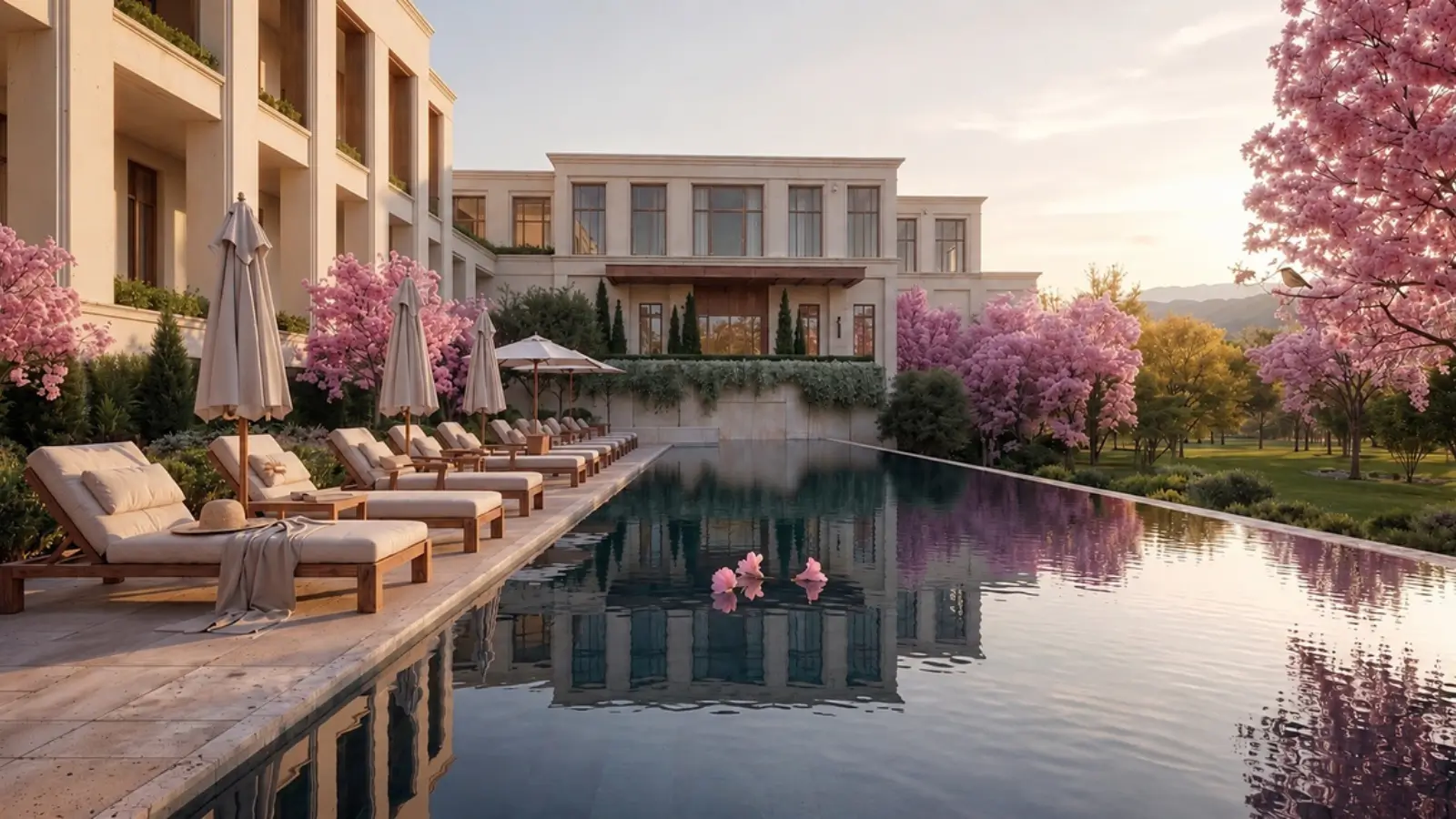
The structural shifting of urban real estate paradigms clearly illustrates how modern property investors prioritize layout excellence. Across major infrastructure corridors in developing metropolitan zones, checking the detailed engineering specifications, legal compliance frameworks, and long-term valuation trends is highly essential. #link# highlights the precise operational parameters required to achieve true luxury residential status. To safely navigate through diverse pre-launch real estate options, it is necessary to study physical transit extension maps, aerospace industrial park expansions, and developer delivery records.
Investigating Micro-Market Connectivity and Tech-Hub Commute Paths
The strategic deployment of international aviation gateways and cargo terminals transforms agricultural or secondary land parcels into high-value commercial zones. Infrastructure engineering trends conclusively demonstrate that proximity to active tech hubs lowers vacancy rates while boosting rental yield opportunities for long-term real estate owners. When an integrated township is built immediately adjacent to expanding aerospace special economic zones, the long-term capital appreciation trajectory becomes remarkably insulated from temporary localized supply spikes. Furthermore, the massive influx of multinational technology giants, manufacturing conglomerates, and global capability centers creates a highly lucrative environment for non-resident Indian investors seeking secure domestic property allocations. To truly map these appreciation models, staying updated on real estate pricing matrices remains essential.
Deconstructing Modern High-Rise Structural Integrity Paradigms
The structural lifespan and physical durability of modern high-rise buildings depends heavily on transitioning away from conventional brick masonry toward advanced structural casting. Implementing high-strength reinforced cement concrete frameworks with standardized engineering precision dramatically accelerates structural delivery timelines while ensuring uniform structural load distribution across all floors. Complementing these robust external engineering methodologies, the interior specifications of truly luxury homes frequently feature large slabs of fine imported Italian marble flooring, bespoke premium bathroom fittings, and expansive cross-ventilated balconies. In line with modern wellness trends, luxury township designs now focus intensely on preserving website massive natural ecosystems. By dedicating over 65 to 85 percent of the total available acreage to landscaped gardens and biophilic reserves, the developer creates a rare, elite living environment that preserves long-term community exclusivity. This specific combination of advanced engineering and low-density planning guarantees permanent property demand.
Navigating Statutory Approvals, Land Documentations, and Risk Mitigation Checklists
From a calculated real estate investment viewpoint, entering a premium micro-market capturing early-stage pre-launch inventory from a reputed multi-state developer minimizes capital entry risk. Entering a tier-1 development phase before the public distribution of marketing brochures optimizes the overall return on investment by reducing immediate cash-flow outlays during early engineering stages. Backed by elite corporate property management wings and global hospitality services, ongoing rental performance translates into rapid asset amortization, allowing real estate portfolios to expand into self-sustaining investment channels. To completely eliminate construction and execution risks, the selection checklist must prioritize statutory verification. Ensuring the project holds absolute clear land titles, comprehensive environmental clearance certificates, and development approvals ensures that the property asset remains entirely free from future litigation risks or ownership contestations.
Analyzing the Tangible Value of Integrated Social Infrastructure and Hospitality
High-net-worth property buyers are actively seeking fully self-sustained residential ecosystems that optimize lifestyle efficiency. Incorporating fully automated household environmental controls and digital security networks, allows residents to effortlessly manage spatial lighting, interior climate settings, and visitor tracking protocols. To support a balanced life, premium developments are constructing multi-tier recreational environments. Integrating advanced co-working business lounges, private mini-theaters, and multi-cuisine restaurant facilities, these integrated structures ensure that health and recreational goals can be fulfilled without stepping outside the estate. In addition to this, implementing zero-waste rainwater harvesting models and sustainable solar energy networks eliminates daily travel friction, converting the development into a true city-within-a-city ecosystem.
Final Synthesis on High-Yield Residential Property Selection Matrices
To conclude, executing a highly successful real estate acquisition strategy requires looking closely at three core factors: strict legal title validation, biophilic design preservation, and developer delivery track records. Homebuyers who carefully prioritize trusted Tier-1 brands offering advanced Mivan casting technology and hospitality-led services will successfully future-proof their capital holdings against urban congestion and economic adjustments. As strategic real estate zones approach their structural maturity over the coming years, property holdings situated within well-connected residential hubs are guaranteed to dominate the regional real estate market.